The decision you make about your criminal record could determine whether you get that job, qualify for housing, or move forward with your life.
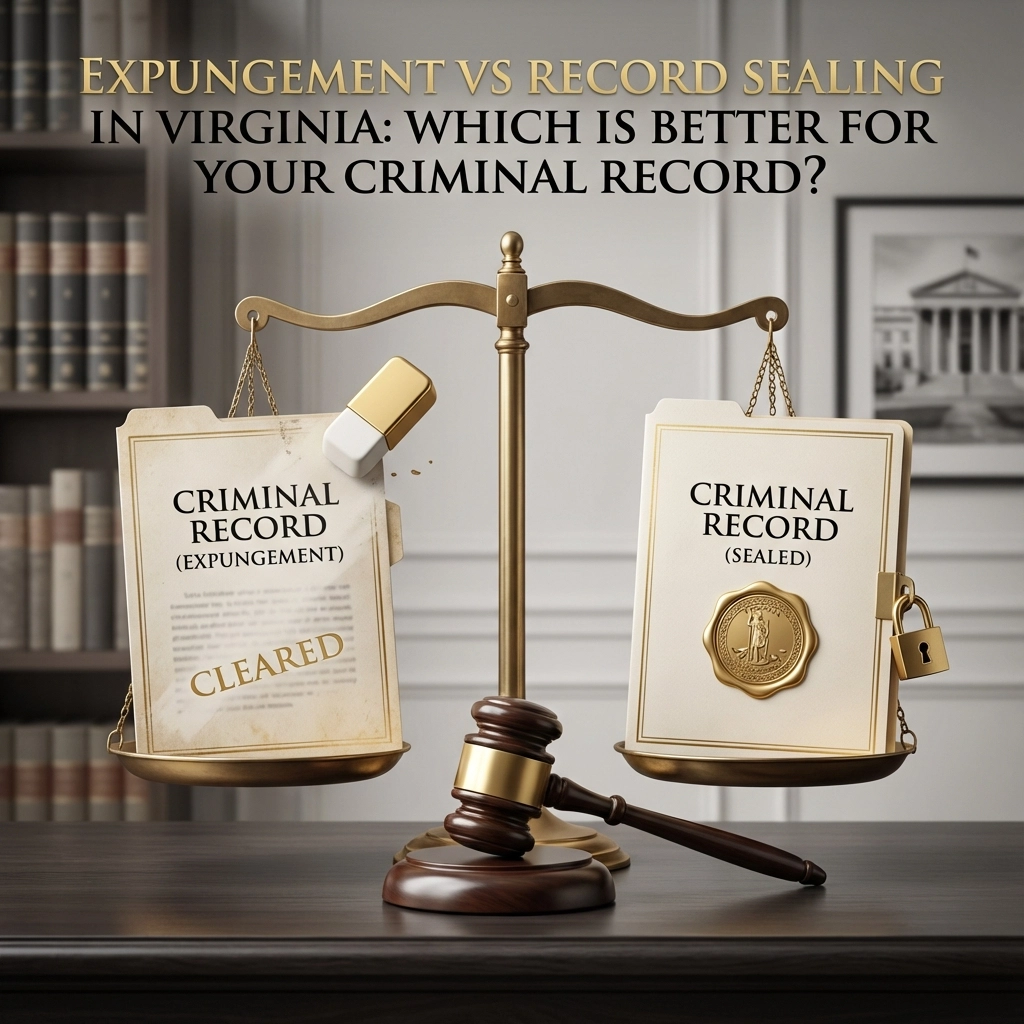
You've probably heard both terms thrown around: expungement and record sealing. Maybe someone told you they're basically the same thing. They're not. The differences between expungement and sealing in Virginia could be the difference between a completely clean slate and a record that still haunts you in certain situations.
Here's what you need to know to make the right choice for your future.
The Direct Answer: Which Is Better?
Expungement is superior when you qualify for it. But here's the reality most people don't want to hear: the vast majority of Virginians with criminal records don't qualify for expungement.
That means sealing becomes your lifeline: and Virginia's new law effective July 1, 2026 just made sealing dramatically more powerful.
The question isn't really which is "better" in theory. The question is which option can actually help you right now.
What Expungement Actually Does
When your record is expunged in Virginia, it's as if the criminal event never happened. The records are completely removed from public databases. In some cases, they're physically destroyed. In others, they're locked away so securely that they might as well not exist.

This is the nuclear option for criminal records. When someone runs a background check on you: employers, landlords, anyone: they find nothing. Zero. Clean slate.
But here's where Virginia's expungement laws become your biggest obstacle: you can only expunge records under extremely limited circumstances:
- You were acquitted at trial
- Your charges were dismissed or not prosecuted
- You were a victim of identity theft
- You received an absolute pardon from the Governor (this almost never happens)
Notice what's missing from that list? Convictions. If you were found guilty of anything: even a minor misdemeanor: traditional expungement is off the table in Virginia.
What Record Sealing Actually Means
Sealing restricts public access to your records, but the records still exist. Think of it as putting your criminal history in a locked filing cabinet instead of completely shredding the documents.
Here's how sealing protects you: The general public, including most employers and landlords, cannot access sealed records during routine background checks. Your sealed record gets stored in a secure location and can only be accessed for very specific legal reasons.
But sealed records aren't invisible to everyone. Law enforcement, certain government agencies, and courts can still access sealed records under specific circumstances. The key difference: it won't show up when your potential employer runs a background check.
For most practical purposes: getting a job, renting an apartment, applying for professional licenses: a sealed record functions almost like an expunged record.
Virginia's Game-Changing New Law: July 1, 2026
Everything changes on July 1, 2026. Virginia's new record sealing law represents the most significant expansion of second chances in the state's history.

For the first time, certain convictions can be sealed from public view. This isn't just about dismissed charges anymore: this is about giving people with actual convictions a pathway to redemption.
Here's what becomes possible starting in 2026:
- Misdemeanor convictions can potentially be sealed after waiting periods
- Some felony convictions may qualify for sealing under specific circumstances
- The categories of sealable offenses expand dramatically
- Thousands of Virginians who had zero options before will suddenly have real relief
This law recognizes a simple truth: your past mistakes shouldn't define your entire future.
Eligibility: The Make-or-Break Factor
Your eligibility determines everything. You can't choose expungement just because it sounds better: Virginia's laws dictate what's available to you.
For Expungement, you need one of these scenarios:
- Complete acquittal after trial
- Charges dismissed by the prosecutor
- Charges never filed (nolle prosequi)
- Identity theft victim
- Absolute gubernatorial pardon
For Current Sealing (before July 2026):
- Dismissed charges
- Certain juvenile records
- Cases where you were acquitted
For Expanded Sealing (starting July 2026):
- The above categories, plus
- Many misdemeanor convictions after waiting periods
- Select felony convictions under specific circumstances
- Dramatically expanded relief for people who previously had no options
Real-World Scenarios: Which Path Makes Sense?
Scenario 1: Your charges were dismissed
You have both options available. Go with expungement. Complete removal is always superior to sealing when both are possible.
Scenario 2: You were convicted of a misdemeanor five years ago
Right now, you're stuck. Starting July 1, 2026, sealing becomes your salvation. This could be the difference between staying unemployed and landing your dream job.
Scenario 3: You have a felony conviction
Traditional expungement is impossible. The new sealing law might offer hope, depending on your specific conviction and circumstances. Professional legal evaluation becomes critical.

The Time Factor: When Speed Matters
Here's what many people don't realize: timing can make or break your opportunities.
If you qualify for expungement right now, waiting could cost you that job interview next month. But if you're waiting for the expanded sealing law in 2026, patience might be your best strategy.
The brutal reality: Every month you wait with an unsealed record is another month of lost opportunities. Job applications get rejected. Housing applications get denied. Professional licenses get delayed.
That's time you can never get back.
When You Need Professional Help
Both expungement and sealing involve complex legal procedures that can go wrong without proper guidance. The paperwork is extensive. The filing requirements are strict. One mistake can delay your fresh start by months or even make you ineligible.
Virginia's courts don't offer do-overs for procedural errors.
You need experienced legal representation when:
- You're unsure about your eligibility
- You have multiple charges across different jurisdictions
- Your case involves federal charges
- You're facing tight deadlines for employment or licensing
- The stakes are too high to risk a mistake
At Alex Taylor Law, we've guided countless Virginians through both expungement and sealing processes. We know exactly which option gives you the best chance at the fresh start you deserve.
The Bottom Line: Your Future Is Worth Fighting For
The choice between expungement and sealing isn't really a choice for most people: it's about taking advantage of whatever relief Virginia law offers you.
If you qualify for expungement, that's your golden ticket. If sealing is your only option, that's still a powerful tool for reclaiming your future. And if you're waiting for July 2026, start preparing now so you're ready the moment that law takes effect.
Your criminal record doesn't have to be a life sentence. Virginia's laws: especially the upcoming changes: offer real pathways to redemption. The question is whether you'll take advantage of them.
Don't let another day of opportunities slip away because of past mistakes. Your future self will thank you for taking action today.
Ready to explore your options for expungement or sealing? Contact Alex Taylor Law today. We're your advocates in the fight for your fresh start: your soldiers in suits.