Handing your keys to someone without a valid license just became far more dangerous for you personally. Virginia's new 2025 law doesn't just punish the unlicensed driver: it makes you criminally liable for their actions behind the wheel.
That casual decision to let a friend borrow your car could now result in serious criminal charges, thousands in fines, and potential jail time if things go wrong. The stakes have never been higher.
The New Reality: You're Now Criminally Responsible
As of July 1, 2025, Virginia law fundamentally changed how we handle unlicensed drivers. If you knowingly allow someone without proper licensing to drive your vehicle and they cause an accident resulting in injury or death, you face Class 1 misdemeanor charges.
This isn't just about traffic tickets anymore. You're looking at:
- Up to 12 months in jail
- Fines up to $2,500
- A permanent criminal record
- Potential civil liability for damages
The law specifically targets situations where unlicensed minors drive your vehicle, but extends to any person "not legally authorized to drive." That means your adult friend with a suspended license, your teenage neighbor without a permit, or anyone else lacking proper credentials puts you at serious legal risk.

What "Knowingly" Means: And Why It Matters
The law hinges on whether you "knowingly" allowed an unlicensed driver to operate your vehicle. This doesn't require you to actively verify their license status: it means you can't claim ignorance if you should have reasonably known they weren't licensed.
Here's what courts will examine:
- Did you ask to see their license?
- Were there obvious signs they couldn't legally drive (age, previous conversations, etc.)?
- Would a reasonable person have questioned their licensing status?
That "I didn't know" defense crumbles quickly when prosecutors demonstrate you had reasonable opportunity to verify their credentials but chose not to. The burden falls on you to ensure anyone driving your vehicle is properly licensed.
When Criminal Charges Apply: The Accident Requirement
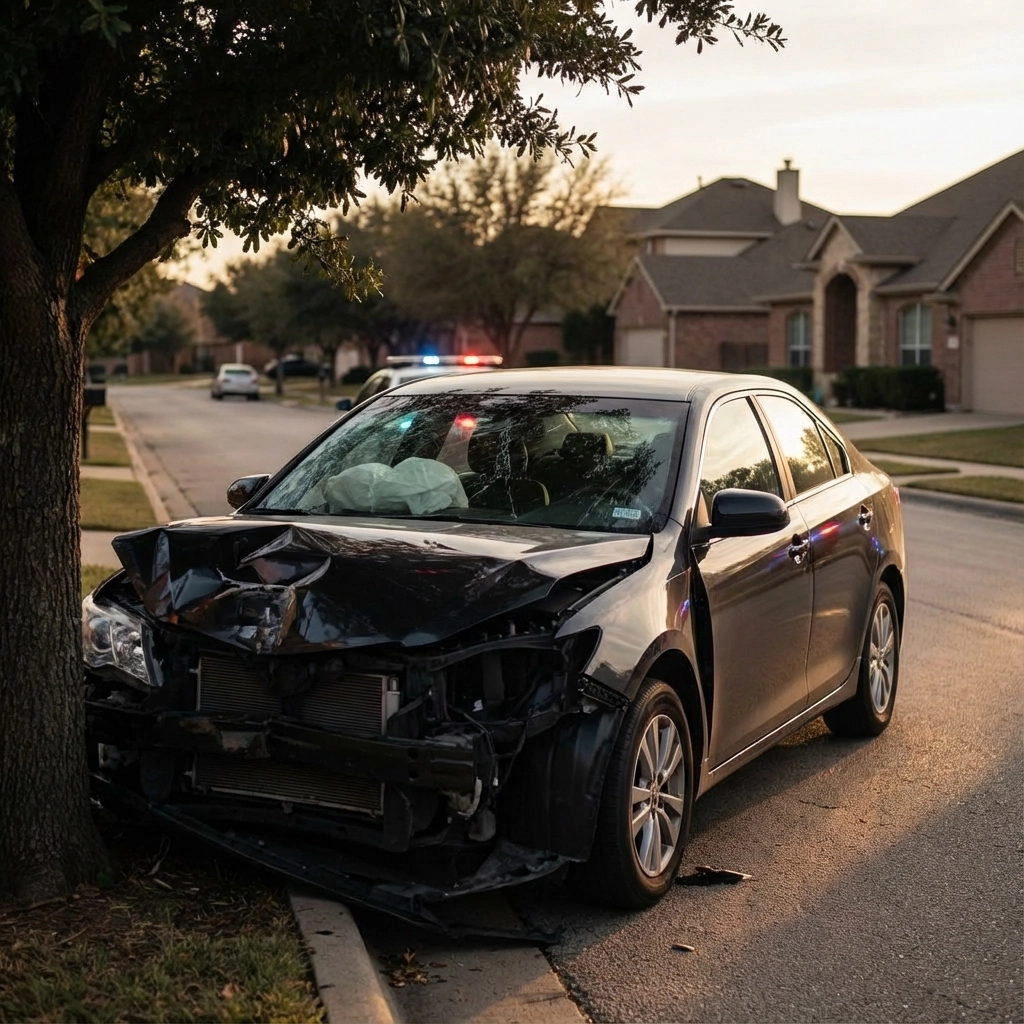
The new law creates criminal liability specifically when an unlicensed driver causes an accident resulting in serious bodily injury or death. Simply letting someone drive without an accident won't trigger these specific criminal penalties: but don't mistake this for safety.
Even without criminal charges under this law, you still face:
- Civil liability for property damage
- Potential lawsuits from injured parties
- Insurance complications and denials
- Other traffic violations and penalties
The reality is that any accident involving an unlicensed driver you permitted to drive exposes you to significant legal consequences. The 2025 law just adds criminal penalties to an already dangerous situation.

Insurance Nightmares: When Coverage Disappears
Your insurance company isn't required to cover accidents caused by unlicensed drivers you permitted to operate your vehicle. Most policies explicitly exclude coverage for drivers without valid licenses.
This means you could be personally responsible for:
- Medical bills for injured parties
- Property damage to other vehicles
- Legal fees for defending lawsuits
- Lost wages and pain and suffering claims
Even if your insurance initially covers the accident, they may later deny the claim or seek reimbursement from you once they discover the driver was unlicensed. A single accident could financially devastate you for years.
Who's Most at Risk Under the New Law
Certain situations create heightened risk for criminal charges:
Parents and guardians allowing teenage children to drive without proper permits or outside their permit restrictions face the highest exposure. The law specifically targets this relationship.
Employers whose unlicensed employees drive company vehicles during work hours could face both criminal and civil liability.
Social hosts who allow guests to drive while unlicensed, particularly after social events where judgment might be impaired.
Vehicle owners who regularly lend cars without verifying driver credentials create ongoing criminal exposure.
Practical Steps: Protecting Yourself Before You Hand Over Keys
Always verify licensing status before allowing anyone to drive your vehicle. Don't rely on assumptions or trust: ask to see their physical license and verify it's current.
Understand permit restrictions if dealing with younger drivers. Learner's permits come with specific limitations about when, where, and with whom the permit holder can drive.
Document the verification by taking a photo of their license. This creates evidence that you checked their credentials and believed them to be properly licensed.
Know your insurance policy and understand what situations void your coverage. Many people discover coverage exclusions only after an accident occurs.
If You're Already Facing Charges: Immediate Action Required
Being charged under Virginia's new unlicensed driver law requires immediate, strategic legal response. These charges carry serious consequences that can affect your life for years.
Don't speak to police without an attorney present. Anything you say about your knowledge of the driver's licensing status can be used against you in court.
Gather evidence immediately about your relationship with the driver, any conversations about their license, and steps you took to verify their credentials.
Review your insurance coverage and notify your carrier about the incident. Understanding your coverage limits helps determine your potential personal exposure.
Consider plea negotiations early when the evidence against you is strong. Experienced criminal defense attorneys can often negotiate reduced charges or alternative sentencing options.
Why Virginia Toughened These Laws
The 2025 updates reflect growing concern about unlicensed drivers causing serious accidents. Legislative data shows unlicensed drivers are significantly more likely to cause fatal crashes and often lack the skills and knowledge that licensing requires.
By holding vehicle owners criminally accountable, Virginia aims to:
- Reduce the number of unlicensed drivers on roads
- Create personal accountability for vehicle owners
- Provide additional deterrent beyond existing penalties
- Ensure proper consequences when poor decisions lead to tragedy
The law recognizes that vehicle owners often have the power to prevent unlicensed driving by simply refusing to hand over keys.
The Civil Liability Component: Beyond Criminal Charges
Criminal charges represent only part of your exposure when unlicensed drivers cause accidents in your vehicle. Civil liability can result in judgments far exceeding insurance coverage limits.
Virginia's contributory negligence laws mean that if your decision to allow unlicensed driving contributed to the accident, you could be liable for 100% of damages: even if the other party was also partially at fault.
Injured parties can pursue compensation for:
- Medical expenses and rehabilitation costs
- Lost wages and reduced earning capacity
- Pain and suffering damages
- Property damage and replacement costs
These civil cases often proceed simultaneously with criminal charges, creating complex legal situations requiring coordinated defense strategies.

Building Your Defense: Legal Strategies That Work
Defending against unlicensed driver charges requires examining every aspect of the incident. Successful defenses often focus on your knowledge and reasonable belief about the driver's licensing status.
"Reasonable belief" defenses can succeed when you had legitimate reasons to believe the driver was properly licensed: such as previous valid driving experiences or credible assurances about their credentials.
Challenging the "knowingly" element requires demonstrating you lacked actual knowledge of their unlicensed status and couldn't reasonably have discovered it.
Questioning accident causation may reduce charges when multiple factors contributed to the incident beyond the driver's unlicensed status.
Negotiating reduced charges often provides better outcomes than fighting cases with strong evidence of knowledge.
Moving Forward: Protecting Yourself Going Forward
Create a personal policy about vehicle lending that includes mandatory license verification. Make checking credentials a non-negotiable requirement.
Educate family members about the new law and ensure they understand the consequences of allowing unlicensed drivers to use family vehicles.
Review your insurance coverage annually and understand exclusions. Consider umbrella policies that provide additional liability protection.
Keep documentation of your verification efforts when you do allow others to drive. This evidence could prove crucial if questions arise later.

Virginia's new unlicensed driver law fundamentally changes the risk calculation around lending your vehicle. What once seemed like a minor favor to a friend now carries potential criminal consequences and significant financial exposure.
The key to protection lies in understanding these new realities and implementing practical safeguards before problems arise. When charges do occur, immediate action with experienced legal counsel provides your best path to minimizing consequences.
Don't let a moment of casual generosity derail your future. If you're facing charges under Virginia's new unlicensed driver law or need guidance about your legal exposure, Alex Taylor Law provides the experienced criminal defense representation you need to protect your rights and your future.
Your keys, your choice, your consequences( make sure you understand all three before you decide.)