Virginia's Senate Bill 1181 represents the most significant shift in gun ownership laws this state has seen in decades. If you own firearms in Virginia: or plan to purchase them: this legislation could fundamentally change what you can legally possess, when you can buy it, and what penalties you face for violations.
The reality is simple: ignorance of these new restrictions won't protect you from criminal charges.
What SB1181 Actually Does (The Basics You Can't Ignore)
Senate Bill 1181 creates a comprehensive ban on what Virginia lawmakers define as "assault firearms." But here's what most gun owners don't realize: this isn't just about future purchases. The law creates multiple layers of restrictions that could affect firearms you already own, depending on your age and when those weapons were manufactured.

The core prohibitions include:
- Sale, possession, transfer, and transport of assault firearms manufactured after July 1, 2025
- Complete prohibition for anyone under 21 to own assault firearms, regardless of manufacture date
- Magazine capacity limits of 10 rounds for magazines manufactured after July 1, 2025
- Criminal penalties that escalate from misdemeanor to felony charges
That means if you're under 21, you cannot legally possess what Virginia defines as an assault weapon: period. No grandfather clause. No exceptions for existing ownership.
The Age Restriction That Catches Everyone Off Guard
Here's where SB1181 gets particularly aggressive: the under-21 prohibition applies immediately to ALL assault firearms, not just those manufactured after the effective date.
If you're 19 years old and currently own a semi-automatic rifle that meets Virginia's assault weapon definition, you're now in violation of state law. The legislation doesn't care when you bought it, how long you've owned it, or whether it was legal when you purchased it.
The consequences are immediate and severe. Violation constitutes a Class 1 Misdemeanor, which means:
- Up to 12 months in jail
- Fines up to $2,500
- Permanent criminal record
- Loss of future gun ownership rights
For repeat offenses, charges escalate to a Class 4 felony: punishable by 2 to 10 years in prison.
What Virginia Actually Defines as an "Assault Weapon"
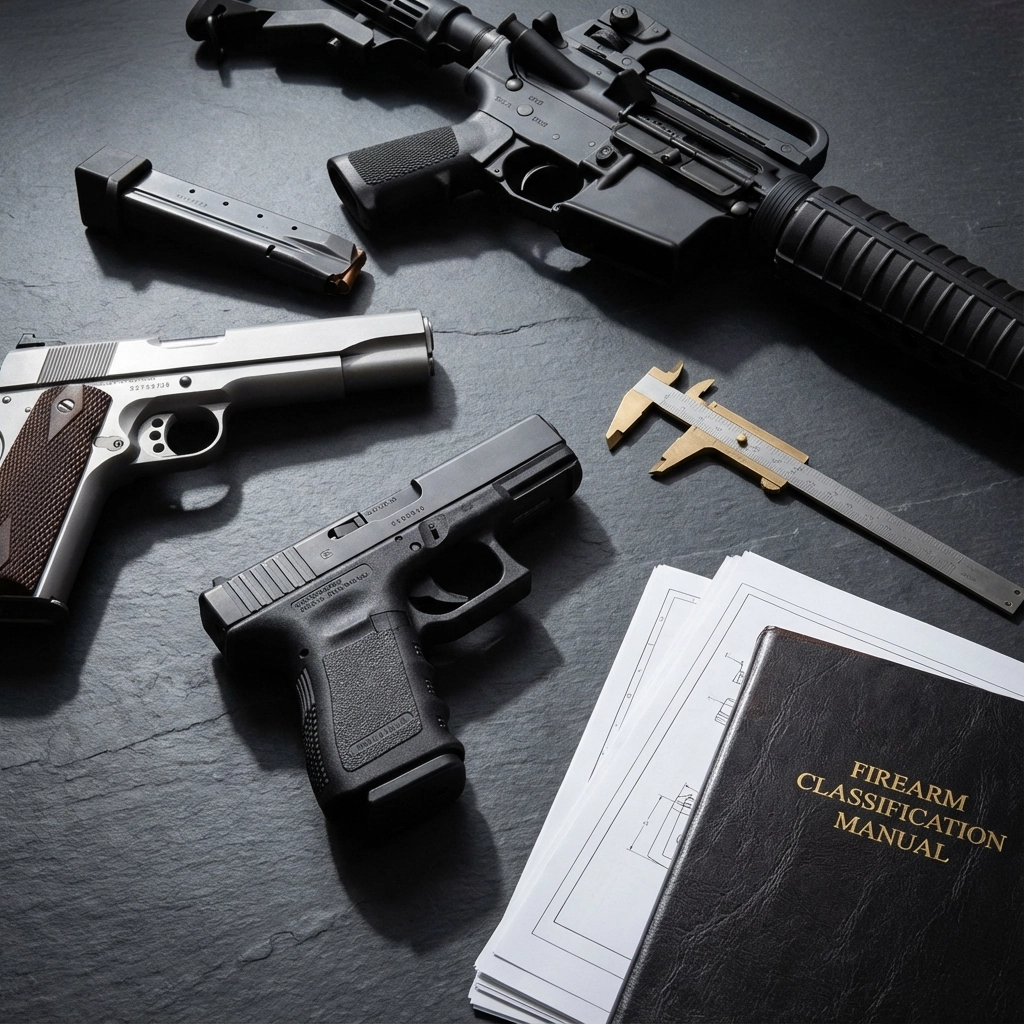
The legislation doesn't use the term "assault rifle" the way most gun owners understand it. Instead, Virginia's definition focuses on specific features and capacity rather than function or appearance alone.
Understanding this definition could be the difference between legal ownership and criminal charges.

Key defining characteristics include:
- Semi-automatic rifles with detachable magazines and specific cosmetic features
- Semi-automatic pistols with certain barrel threading or grip configurations
- Semi-automatic shotguns with specific capacity and feature combinations
- Any magazine capable of holding more than 10 rounds (for those manufactured after the effective date)
The problem? These definitions are broader than most gun owners expect. Firearms you never considered "assault weapons" might fall under Virginia's legal definition.
The Manufacturing Date Loophole (And Why It's Not Really a Loophole)
SB1181 creates what appears to be protection for existing firearms: weapons manufactured before July 1, 2025, remain legal for adults 21 and older. But here's what the legislation doesn't tell you: proving manufacture date becomes your burden if you're ever questioned by law enforcement.
That means you need:
- Original purchase documentation
- Manufacturing records or serial number verification
- Clear proof of acquisition date
Without proper documentation, law enforcement may assume your firearm was manufactured after the restriction date. The burden of proof falls on you to demonstrate compliance.
Criminal Defense Implications You Need to Understand
If you're facing charges related to SB1181 violations, the stakes extend far beyond the immediate penalties. Gun-related criminal charges create cascading consequences that affect multiple areas of your life.
A conviction could mean:
- Permanent loss of Second Amendment rights under federal law
- Inability to purchase firearms anywhere in the United States
- Employment restrictions for jobs requiring background checks
- Potential federal charges if interstate commerce is involved
The complexity of these cases requires specialized knowledge of both Virginia firearms law and federal regulations. Generic criminal defense isn't enough: you need representation that understands the intricate relationship between state restrictions and federal gun laws.
Exceptions That Might (Or Might Not) Apply to Your Situation
SB1181 includes limited exceptions, but these exceptions are narrower than most gun owners assume.
Recognized exceptions include:
- Antique firearms (generally those manufactured before 1899)
- Firearms rendered permanently inoperable
- Law enforcement and military personnel (in official capacity)
Notice what's NOT included: no exceptions for hunting, sport shooting, collection, or inherited firearms. The legislation makes no distinction for how you intend to use the weapon or how you acquired it.
What Gun Owners Must Do Right Now
The clock is already ticking on some provisions of SB1181, and waiting to address compliance could put you at criminal risk.
Immediate action items:
- Inventory your firearms and determine which ones meet Virginia's assault weapon definition
- Gather documentation proving manufacture dates for all potentially affected weapons
- Understand the age restrictions if anyone in your household is under 21
- Review storage and transport requirements to ensure compliance
For firearms that fall under the new restrictions, you have limited options: and some of those options have deadlines.
Federal vs. State Law Complications
Here's where firearms violations get particularly complex: Virginia's restrictions operate alongside existing federal law, not instead of it. That means a single violation could potentially trigger both state and federal charges.
Federal firearms violations carry significantly harsher penalties than state charges. Understanding this relationship is crucial for anyone facing gun-related charges or trying to maintain compliance.

Why Standard Legal Advice Falls Short
Gun law violations require specialized criminal defense representation that understands the intersection of state restrictions, federal regulations, and constitutional protections.
Generic legal advice fails because:
- Virginia gun laws change rapidly and frequently
- Federal regulations add layers of complexity
- Constitutional challenges may affect enforcement
- Plea negotiations require understanding of firearms-specific consequences
At Alex Taylor Law, we understand that your Second Amendment rights deserve aggressive protection. Our criminal defense team specializes in firearms cases and knows how to navigate the complex relationship between Virginia's new restrictions and federal law.
Don't let a gun charge destroy your future. The consequences of SB1181 violations extend far beyond fines and jail time: they could permanently strip away your constitutional rights.
If you're facing firearms-related charges or need guidance on SB1181 compliance, contact our criminal defense team immediately. Your rights and your freedom depend on having experienced representation that understands the stakes.
Because when your Second Amendment rights are on the line, you need more than a lawyer; you need a soldier in a suit.